
Introduction
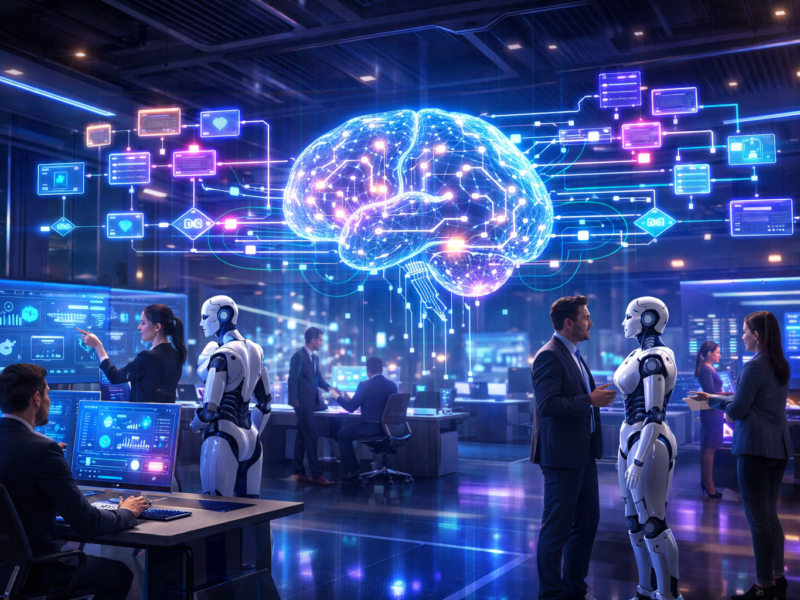
Artificial Intelligence AI has been one of the most talked about technologies of the 21st century. From chatbots to self driving cars AI is everywhere. But there is a new buzzword making waves in the tech world Agentic Artificial Intelligence. Unlike traditional AI systems that simply follow instructions, agentic AI is designed to act more independently make decisions and even pursue goals. In this blog, I’ll break down what agentic AI means why it matters and how it could change the way we interact with technology.
What Is Agentic Artificial Intelligence?
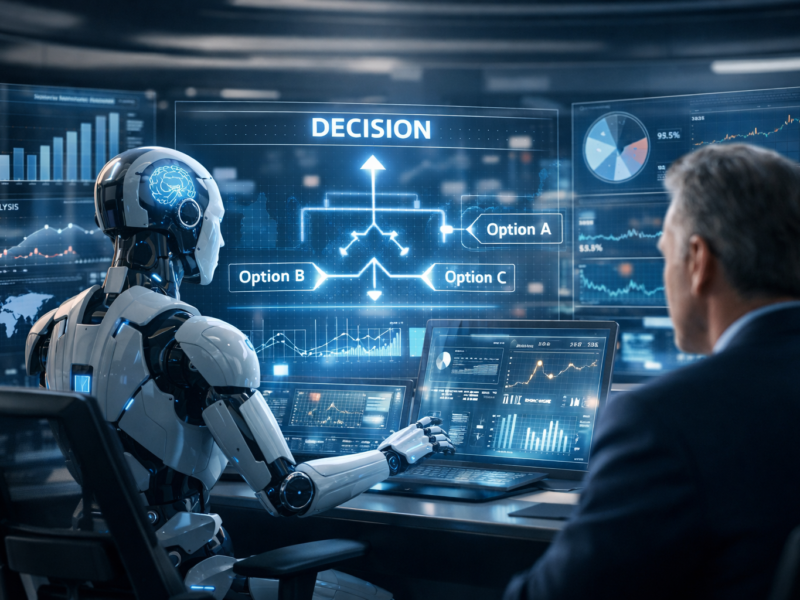
Agentic AI refers to artificial intelligence systems that operate as autonomous agents. Instead of just processing data and giving outputs these systems can:
- Set goals based on context.
- Make decisions without constant human input.
- Adapt to changing environments.
- Collaborate with other agents or humans.
Think of it like the difference between a calculator and a personal assistant. A calculator only gives you answers when you ask. An agentic AI assistant on the other hand might notice you’re struggling with math homework and proactively suggest resources or strategies.
Why Agentic AI Is Different From Traditional AI
Traditional AI is often reactive. It waits for input and then responds. Agentic AI is proactive. It doesn’t just wait it acts.
Here’s a quick comparison:
| Feature | Traditional AI | Agentic AI |
| Decision making | Based on fixed rules | Dynamic, context aware |
| Autonomy | Low | High |
| Adaptability | Limited | Flexible |
| Goal setting | Human defined | AI can define sub goals |
This shift from reactive to proactive intelligence is what makes agentic AI so exciting.
Real Life Examples Of Agentic AI
Agentic AI isn’t just a theory it’s already being tested in different industries:
- Healthcare: AI agents can monitor patient data and suggest treatments before doctors intervene.
- Education: Personalized learning platforms can adjust lessons based on how students perform.
- Finance: AI trading agents can make investment decisions in real time.
- Smart Homes: Imagine an AI that doesn’t just follow commands like “turn off the lights” but notices you’re tired and sets the mood lighting automatically.
Benefits Of Agentic AI
The rise of agentic AI could bring several benefits:
- Efficiency: Automating complex tasks saves time.
- Personalization: Systems can adapt to individual needs.
- Scalability: Agentic AI can handle large scale problems like climate modeling or logistics.
- Innovation: By acting independently, AI can discover solutions humans might overlook.
Challenges And Risks
Of course agentic AI isn’t perfect. There are challenges we need to think about:
- Ethics: If AI makes decisions who is responsible for the outcomes?
- Bias: AI agents can still inherit biases from their training data.
- Control: How do we ensure AI doesn’t act against human interests?
- Security: Autonomous systems could be hacked or manipulated.
These challenges mean that while agentic AI is powerful, it must be developed responsibly.
Agentic AI And The Future Of Work
One of the biggest questions is how agentic AI will affect jobs. Some people worry it will replace workers while others believe it will create new opportunities. For example:
- In customer service agentic AI could handle routine queries leaving humans to solve complex problems.
- In creative industries AI agents could help brainstorm ideas but humans would still provide the emotional and cultural context.
The future of work will likely be a collaboration between humans and agentic AI.
Conclusion
Agentic Artificial Intelligence represents the next big leap in technology. Instead of machines that only react we’re moving toward systems that can act, adapt and even collaborate. While there are risks to consider the potential benefits from smarter healthcare to personalized education are enormous. As students, professionals and tech enthusiasts we should pay attention to this shift because it’s shaping the future we’ll live in.